Operational Human Performance for Maritime and Offshore Operations
Reducing fatigue, musculoskeletal injury, and restricted duties to protect crew capability AND operational continuity.
Capability preserved. Continuity protected. Control maintained.
Trusted by fleets, built for people.
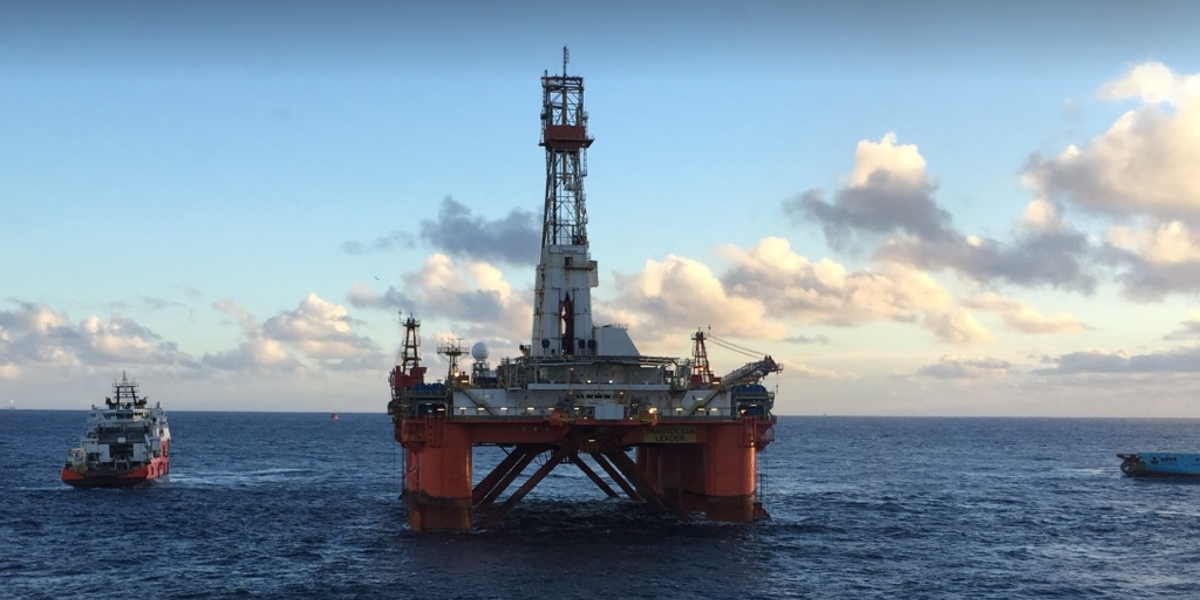
Physical Initiative works with maritime and offshore organisations to protect operational human capability where physical demands are highest.
We reduce fatigue, musculoskeletal injury, restricted duties, and the quiet loss of capacity that undermines safety, continuity, and control offshore.
Our work sits at the intersection of operations, safety, and health – translating real working conditions into practical controls that keep work moving safely.
Crew capability
Reduced fatigue, fewer MSK issues and fewer people working in pain or on restrictions. Protecting the physical capacity crews rely on to do the job safely.
Operational disruption
Minimising medical off-signers, fewer last minute and costly reassignments and less hidden strain on remaining crew- supporting continuity offshore.
better operational control
Improved readiness, more predictable performance, and fewer workarounds becoming normal – strengthening control under real conditions.
measured returns
Lower absence costs, reduced turnover pressure, and fewer downstream HSE events – with impact tracked through leading indicators, not wall posters.

Protect crew capability. Protect operational continuity.
Human performance support embedded into operations.
Protecting human capability under real operating conditions
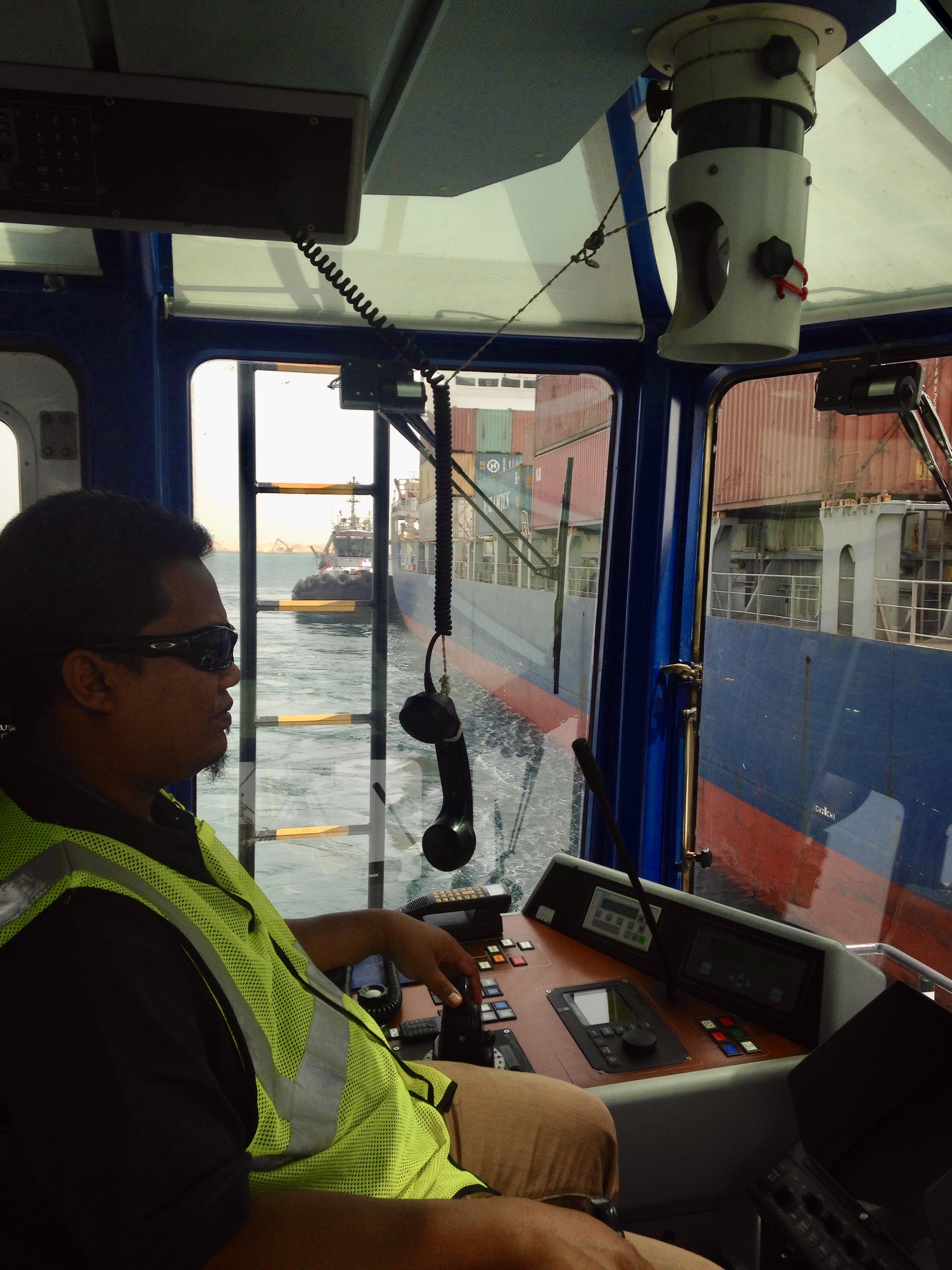
Maritime work is physically demanding, Fatigue and MSK issues offshore are operational risks, not wellbeing topics.
How Physical Initiative is applied offshore
Our work focuses on strengthening operational capability where physical and cognitive demands are highest.
Support is applied at the point where fatigue, workload and physical strain directly affect task execution, decision making and control.
Typical areas of support include:
– Fatigue and workload risk assessment and control
– Musculoskeletal risk reduction linked to task design and execution
– Crew capability and readiness reviews
– Support for restricted duty and return-to-work cases
– Practical input into operational and safety leadership discussions
Engagements are tailored to operational context and can be delivered on-site or remotely, depending on operational need.